
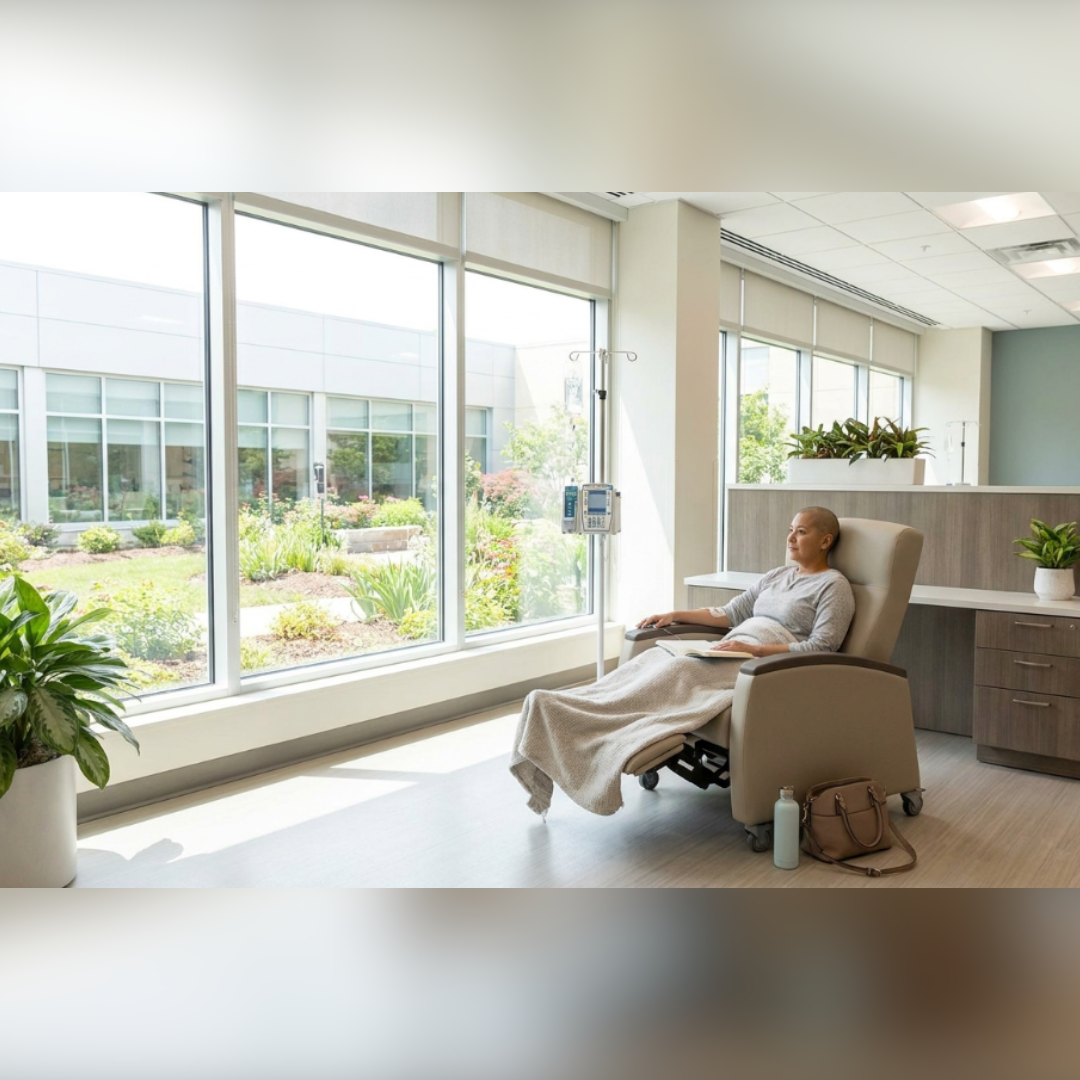
Receiving a prescription for infusion therapy can feel like stepping into unfamiliar territory. Most patients arrive at their first appointment with a mix of questions they forgot to ask their doctor, a vague sense of what the treatment involves, and no real picture of how the next several hours will unfold. That disconnect between expectation and reality is one of the most common sources of appointment-day anxiety, and it is almost entirely preventable. This guide breaks the preparation process into clear, sequential steps, covering everything from the administrative groundwork done weeks before your visit to the small physical comfort decisions made the morning of your appointment. Whether you are managing an autoimmune condition, receiving IVIG therapy for an immune deficiency, beginning a biologic for Crohn’s disease or rheumatoid arthritis, or starting iron infusion therapy, the preparation principles are remarkably consistent, and getting them right makes a measurable difference.
What Infusion Therapy Actually Involves (Before You Can Prepare for It)
Infusion therapy delivers medication directly into the bloodstream through an intravenous (IV) line, bypassing the digestive system entirely. This route of administration is chosen when a medication cannot be taken orally, when the condition requires a faster or more precise therapeutic effect, or when consistent bioavailability is essential for treatment efficacy. Infusion therapy is a type of specialized medical treatment that directly infuses drugs into the body via an intravenous catheter, and it is primarily used in the management of many diseases including cancer, autoimmune disorders, infections, and other chronic conditions.
Understanding the broad category of treatment you are receiving helps calibrate your expectations around session length, monitoring intensity, and how your body might respond. Not every infusion is the same, and the therapy type has a direct bearing on how you prepare.
How Session Length Varies by Treatment Type
One of the most practical questions patients have before a first appointment is simply: how long will this take? The answer depends almost entirely on what medication is being administered and how your body tolerates the infusion rate. Short infusions can run as briefly as 15 to 30 minutes for select biologic injections, while standard biologic infusions for conditions like rheumatoid arthritis or Crohn’s disease typically take 30 minutes to 2 hours. Long infusions, including IVIG and monoclonal antibody therapies, can last several hours — ranging from 3 to 8 hours or longer — to support safe, gradual medication delivery with ongoing monitoring throughout treatment.
For patients starting IVIG specifically, most patients want one number first: how long will this take? The Immune Deficiency Foundation states that IVIG infusions “typically take between 2–6 hours,” and a first IVIG infusion usually sits at the long end of that range. First-time infusions tend to run longer than subsequent appointments because nurses begin at a slower drip rate to monitor for any reaction before gradually increasing the speed. The slow starting rate is a safety step: most common reactions such as headache, chills, and flushing are rate-related, and the standard response is to slow the pump rather than stop treatment.
Plan your schedule accordingly. Build in buffer time before and after your appointment, and avoid booking anything time-sensitive immediately following your infusion — especially for your first visit.
| Infusion Type | Typical Session Duration | Common Conditions Treated | First-Visit Longer? |
|---|---|---|---|
| IVIG Therapy | 2–6 hours | Immune deficiencies, autoimmune disorders | ✅ Yes, typically at the longer end |
| Biologic Infusions (e.g., for RA, Crohn’s, MS) | 30 min – 2 hours | Rheumatoid arthritis, IBD, multiple sclerosis | ✅ Yes, observation period added |
| Iron Infusions | 15 min – 1 hour (plus monitoring) | Iron deficiency anemia | ⚠️ Post-infusion observation required |
| Antibiotic Infusions | 30 min – 3 hours | Serious infections requiring IV antibiotics | ⚠️ Depends on medication protocol |
| Monoclonal Antibody / Oncology-Supportive | 3–8 hours or more | Cancer-supportive care, complex autoimmune | ✅ Yes, extended monitoring protocol |
| Hydration Therapy | 30 min – 2 hours | Dehydration, nausea, chronic illness support | ❌ Generally consistent across visits |
The Administrative Steps That Must Happen Before Appointment Day
The preparation for an infusion appointment begins days or weeks before you ever walk through the door, and the administrative phase is often where patients experience the most friction. Getting this part right prevents delays, billing surprises, and the frustrating scenario of arriving at the center only to discover that an authorization has not yet cleared.
Confirming Insurance Coverage and Prior Authorization
Most specialty infusion medications require prior authorization from your insurance company before treatment can begin. Prior authorization is the process where your doctor submits documentation to your insurance company to prove that infusion therapy is medically necessary for your specific condition. This documentation typically includes a confirmed diagnosis, your medical history, evidence that other treatment approaches were considered, and the prescribed medication with dosage details.
Prior authorization creates a substantial burden for providers, leads to delays in care, and has been proven to result in negative outcomes for patients. Chief among the challenges is that the process varies substantially by payer and plan, both in terms of requirements and the process for submitting a prior authorization request. The practical implication for patients is straightforward: confirm with your infusion center well in advance that authorization has been obtained, and ask who is responsible for managing that process.
A key question to ask your provider is how long the referral and authorization process for infusion therapy usually takes. Most of the time it takes one to two weeks, but some rare medications can take longer, so knowing this helps you plan and set realistic expectations.
If your infusion center handles prior authorization in-house on your behalf, this significantly reduces the coordination burden on your end, and it is a meaningful differentiator when choosing a provider.
Certain drug therapies may require additional paperwork to be completed ahead of time, such as IVIG, Remicade, Rituxan, Vivitrol, or Xolair therapies. Ask the center’s intake team specifically whether your medication falls into this category and what you need to complete or sign before your first visit.
Completing Pre-Visit Paperwork and Lab Work
Double-check your infusion appointment date, arrival time, and any special instructions provided by your healthcare provider. Arriving early may allow enough time for paperwork, insurance verification, and pre-treatment assessments — and in general, try to complete any required paperwork before your visit. Many infusion centers now offer digital intake forms through a patient portal, which can be completed from home and shave meaningful time off your check-in experience.
Some medications also require current lab results before treatment can be administered. Your prescribing physician will typically order the necessary labs, but confirm that the results have been sent to the infusion center in advance. This is especially relevant for patients receiving IVIG, biologics, or iron infusions, where baseline labs are often part of the safety protocol.
How to Prepare Your Body in the 24 Hours Before Your Infusion
Physical preparation in the day leading up to your appointment has a direct impact on how smoothly the infusion goes and how well you feel during and afterward. Two factors matter more than any others: hydration and nutrition.
Hydration Is the Most Impactful Physical Step You Can Take
Drinking plenty of water before your session can help make vein access easier, and eating a well-balanced meal before your appointment can prevent nausea and lightheadedness during treatment. Well-hydrated veins are fuller and more visible, which makes IV placement faster, easier, and less uncomfortable for the patient. This is particularly relevant for patients who have had difficult IV placements in the past. Start increasing your fluid intake the day before your appointment, not just the morning of.
Unless your care team provides specific dietary restrictions, eating a light, balanced meal before your infusion is recommended. Arriving on an empty stomach can contribute to dizziness or nausea during treatment, particularly for longer infusion sessions. If your care team has given you specific fasting instructions for your medication, follow those exactly — but absent specific guidance, eat normally.
Medications: What to Take, What to Hold
Unless your doctor has given you specific instructions to stop, you should continue taking your daily medications as normal. Bring a complete list of your current medications and supplements to your appointment. This list should include every prescription medication, over-the-counter drug, vitamin, and herbal supplement you take, along with doses and timing. Some medications interact with infusion therapy or affect how your body responds, so the clinical team needs complete information to keep you safe.
Make sure your healthcare provider knows about all prescription medications, vitamins, supplements, and over-the-counter products you are taking. In some situations, adjustments may be necessary before receiving treatment. Do not assume your infusion center already has this information from your referring physician’s notes. Bring a written or printed copy and hand it directly to your nurse.
Rest and Day-of Physical Decisions
Get a full night of sleep before your infusion day. Fatigue compounds any mild side effects and makes a long session feel significantly longer. Especially for your first visit, have someone drive you home in case you experience drowsiness from pre-medications. Many infusion medications include a pre-medication protocol (such as an antihistamine or steroid) that can cause drowsiness. Even if you feel perfectly alert at the start of your appointment, plan transportation conservatively.
Avoid strenuous physical activity on infusion day. Intense exercise can temporarily affect vein size and blood pressure, and fatigue from a workout can layer on top of any post-infusion tiredness, making recovery slower.
What to Bring to Your Infusion Appointment: A Complete Checklist
Packing thoughtfully for your infusion visit transforms a potentially long and uncomfortable wait into a manageable, even restful experience. The items that matter fall into two categories: medical essentials that the clinical team needs from you, and personal comfort items that make the hours pass more easily.
Medical and Administrative Essentials
Bring identification and your current health information to your appointment. On the day of your appointment, be sure to bring your identification, insurance card or cards, medical information, and a current list of medications you are taking. The center will need to verify your identity before treatment begins, and your insurance information is required for billing and coverage verification. Essential documents include a photo ID, insurance card, and any necessary health records or lab results.
If your physician provided a physical copy of the treatment order or any pre-authorization documentation, bring those as well. While most centers communicate this information electronically, having a paper backup eliminates any risk of administrative gaps causing a delay on your first visit.
Also bring any personal medications you take during the day. Bring any home medicines that you will need to take during your visit, as they may not be available at the infusion unit. This includes any as-needed medications for pain, nausea, or anxiety that your doctor has approved for use during the appointment.
Comfort and Entertainment Items
Infusion suites are typically well-equipped, but bringing items tailored to your personal preferences meaningfully improves the experience. Dress in soft, loose layers. Infusion centers can be cold, and you may need to roll up your sleeves or access your port. Consider bringing a zip-up hoodie or cardigan, cozy socks or slippers, or a small blanket or shawl.
Keeping yourself occupied helps the time pass more quickly. Choose low-effort, comforting distractions such as books or magazines, a tablet or smartphone with headphones, podcasts, movies, or music playlists downloaded in advance, or crossword puzzles and adult coloring books. Downloading content before you arrive is smart practice, as Wi-Fi reliability at medical facilities can vary.
A notebook or journal is also worth bringing. Use it to track how you feel during and after treatment, write down any side effects or questions for your care team, and take notes on post-treatment instructions. Patients who track their responses across multiple sessions are better equipped to have productive conversations with their care team about how their body is tolerating therapy.
| Category | What to Bring | Why It Matters |
|---|---|---|
| Medical Essentials | Photo ID, insurance card, medication list, lab results, treatment order, emergency contact | Required for check-in, billing, and clinical safety |
| Clothing | Loose-fitting layers, easy sleeve access, comfortable shoes | IV placement and temperature comfort |
| Hydration and Snacks | Refillable water bottle, easy-to-digest snacks (crackers, fruit, granola bars) | Prevents lightheadedness, maintains energy during long sessions |
| Entertainment | Headphones, tablet or phone with downloaded content, book, puzzle | Keeps time moving, reduces anxiety |
| Comfort Items | Small blanket, neck pillow, cozy socks, lip balm, hand lotion | Infusion suites are often cool; comfort aids relaxation |
| Personal Medications | Any daily medications due during the visit, as-needed medications approved by your doctor | May not be available at the infusion center |
| Tracking Tools | Notebook or notes app, pen, list of questions for your nurse | Captures reactions, instructions, and care team guidance |
| Support Person | A trusted friend or family member (confirm the center’s guest policy) | Emotional support and a driver home if needed |
What to Expect When You Arrive at the Infusion Center
Knowing the sequence of events at the infusion center eliminates nearly all of the uncertainty that makes first visits stressful. The experience at a standalone, patient-centered infusion suite is meaningfully different from a hospital outpatient setting, and understanding what a well-run center looks and feels like helps patients advocate for the quality of care they deserve.
Check-In and the First 30 Minutes
Arrive at least 15 minutes early for your appointment. This gives you enough time to check in, complete any necessary paperwork, and get settled in the infusion area comfortably before your infusion begins. For a first visit, arriving even earlier — 20 to 30 minutes ahead — is advisable to allow time for any additional intake documentation and to get oriented to the space without feeling rushed.
After check-in, you will be escorted to your infusion suite or chair. Before your infusion begins, you will meet your care team, which includes experienced nurses and pharmacists. They will review your medical history, explain the infusion process, and answer any last-minute questions. This is your opportunity to discuss any concerns or let the team know how they can make you more comfortable.
During the Infusion: Monitoring and What to Expect Physically
Once the IV line is placed and the infusion begins, a nurse will monitor your vital signs at regular intervals. Vital signs are checked at baseline, at every rate increase, and most closely during the first hour, followed by a short observation period before the cannula is removed. This monitoring schedule is a safety standard, not an indication that anything is wrong. Use the monitoring check-ins as an opportunity to update your nurse on how you feel.
Most patients say the experience is much easier than anticipated. The average pain level is described as similar to a flu shot, and you will be monitored by specialized nurses throughout the session. Mild sensations during infusion — such as slight warmth at the IV site — are generally normal. Report anything that feels unusual or uncomfortable to your nurse immediately. Nurses at quality infusion centers are experienced in adjusting drip rates to improve patient comfort without compromising therapeutic delivery.
After Your Infusion: The Observation Period and Getting Home
Most infusion centers require a brief observation period after the medication has finished. This allows the clinical team to confirm there are no delayed reactions before you leave. The length of this period varies by medication, but it is a routine part of the protocol, not an indication of a problem. Use the time to check in with your nurse about what to watch for at home.
Make arrangements for transportation, especially if your medication has the potential to cause dizziness or fatigue. Plan a low-key remainder of the day. Fatigue is among the most commonly reported post-infusion experiences, and overcommitting your schedule on infusion day can leave you feeling depleted. Rest, hydrate, and give your body the time it needs to begin responding to treatment.
Questions to Ask Your Infusion Team Before, During, and After
Patients who come prepared with questions consistently report higher satisfaction with their care experience and a stronger sense of confidence in their treatment plan. The infusion appointment is an extended, supervised clinical interaction, and that time with a skilled nurse is a resource worth using fully.
Before the Infusion Starts
- How long should I expect to be here today, including the observation period?
- What are the most common reactions to this medication, and what should I tell you if I notice them?
- Should I have taken my regular medications this morning, or were there any I should have held?
- Is there anything specific about my medical history I should flag before we start?
- Will the rate be increased during the session, and what does that feel like?
During the Infusion
- Is what I am feeling right now normal for this medication?
- Can the rate be adjusted if I am feeling uncomfortable?
- What should I avoid doing for the rest of today and tomorrow?
After the Infusion, Before You Leave
- What symptoms should prompt me to call or seek care after I get home?
- How soon might I notice any therapeutic effects from this treatment?
- When is my next appointment, and is there anything I should track between now and then?
- Are there any dietary, activity, or medication restrictions for the next 24 to 48 hours?
The American Academy of Allergy, Asthma and Immunology provides condition-specific patient education on IVIG therapy that can help you develop more targeted questions for your clinical team before your first appointment.
Choosing the Right Infusion Setting: Why the Environment Matters
Where you receive infusion therapy is not just a logistical decision. It affects cost, comfort, wait time, and the overall quality of your experience. Patients have a meaningful choice between hospital-based outpatient infusion departments and standalone infusion centers, and the differences between these two settings are significant.
Unless medically necessary in a hospital outpatient setting, the preferred infusion sites for most insurance plans are an infusion suite, a physician’s office, or in the patient’s home through a home infusion agency. This insurance-level preference for non-hospital settings reflects both cost considerations and clinical appropriateness. For the vast majority of patients receiving biologics, IVIG, iron infusions, or antibiotic therapy, a standalone infusion center provides the same level of clinical oversight at a significantly lower cost.
Standalone infusion centers like those operated by Thrivewell Infusion are designed specifically around the patient experience. Rather than sharing a clinical environment with emergency patients or general medical cases, infusion center patients receive care in a setting purpose-built for extended, comfortable treatment sessions. This typically means private or semi-private recliner suites, attentive staffing ratios, and amenities that make multi-hour sessions more manageable. The clinical staff at dedicated infusion centers also tends to have deep, specialized experience with the specific medications being administered, which translates to more confident and efficient IV placement, better anticipation of potential reactions, and more informed patient education.
For patients managing chronic conditions that require ongoing infusion therapy, the cumulative difference in experience between a hospital outpatient department and a patient-centered infusion center compounds significantly over time. If your referring physician has not specified a preferred site of care, it is entirely appropriate to ask about your options and to request a referral to a dedicated infusion center that works with your insurance plan.
Frequently Asked Questions About Preparing for Your First Infusion
How early should I arrive for my first infusion appointment?
Plan to arrive 20 to 30 minutes before your scheduled start time. First visits involve additional paperwork, insurance verification, and a clinical intake review that later appointments do not require. Arriving early prevents any of these steps from delaying your actual infusion start time.
Can I eat before an infusion?
Have a small meal before your appointment to avoid feeling lightheaded. Unless your care team has given you explicit fasting instructions specific to your medication protocol, eating a light, balanced meal before your infusion is recommended for most therapy types. If you are unsure, contact the infusion center directly before your appointment.
What should I wear to an infusion appointment?
Infusion therapy sessions can take several hours, so wear loose and comfortable clothing. This allows for better movement and reduces any discomfort during your appointment. Specifically, choose a top with sleeves that can be easily rolled up to above the elbow. If you have a port, wear clothing that provides easy access to that area. Dress in layers, as infusion suites are often kept cool.
Will I need someone to drive me home?
For most first infusion appointments, arranging a driver home is strongly advised. Many infusion medications include pre-medications such as antihistamines or steroids that can cause drowsiness, and the cumulative effect of a long session can leave patients more fatigued than expected. Even if you feel fine, having a driver eliminates any safety concern and removes the mental pressure of needing to self-assess your fitness to drive.
Can I bring someone with me to my infusion?
Having a friend or family member accompany you can help ease any anxiety you may have, and they can provide support and keep you company during the session. Most infusion centers welcome a companion, though guest policies vary by location. Confirm the center’s specific policy when you schedule your appointment.
What if I have a reaction during my infusion?
Notify your nurse immediately if you notice anything unusual, including flushing, itching, shortness of breath, headache, chills, or any discomfort at the IV site. Most common reactions such as headache, chills, and flushing are rate-related, and the standard clinical response is to slow the infusion pump rather than stop treatment entirely. The nursing team is trained specifically to manage these situations, and the infusion suite environment is equipped to respond effectively.
How do I know if my insurance will cover infusion therapy?
Prior authorization is the process where your doctor submits documentation to your insurance company to prove that infusion therapy is medically necessary. Insurance companies generally require a clear diagnosis explaining why IV therapy is necessary, comprehensive medical history showing treatment necessity, and documentation aligned with insurance guidelines for medical necessity. Contact your infusion center’s billing team before your appointment. A quality provider will verify your benefits and explain your estimated out-of-pocket responsibility before treatment begins.
Do I need to bring my own medications to the infusion center?
Bring any home medicines that you will need to take during your visit, as they may not be available at the infusion unit. Make sure you take the medicines you were told to take before your visit. This is especially important for medications taken on a set schedule throughout the day. Your infusion medication itself is typically prepared and provided by the infusion center.
How will I feel after my infusion?
Post-infusion experiences vary by medication type and individual patient response. Some patients feel no different immediately after treatment, while others report mild fatigue, a slight headache, or temporary soreness at the IV site. For first-time infusions, it is wise to plan a restful afternoon and evening. Track any symptoms in a notebook and share them with your care team at your next appointment or by phone if anything feels concerning.
What if I need to cancel or reschedule my appointment?
Contact the infusion center as early as possible if you need to cancel. Many specialty medications are compounded or ordered specifically for your appointment, and last-minute cancellations can result in medication waste. Some centers also have cancellation policies tied to billing. Rescheduling promptly also ensures your treatment timeline stays on track, which matters for medications dosed at specific intervals.
What happens if my vein is difficult to access?
Experienced infusion nurses are skilled at working with challenging veins. Arriving well hydrated, staying warm, and relaxing your arm all help with vein visualization and access. If you have a history of difficult IV placements, let your nurse know before the attempt so they can apply warmth, use a small-gauge needle, or consider other access approaches. Patients who require ongoing infusion therapy may eventually discuss with their physician whether a port or other long-term access device is appropriate.
Is the first infusion appointment always longer than later ones?
In most cases, yes. First infusion appointments include additional intake steps such as a clinical history review, insurance verification, and baseline assessments. For many medications, the initial infusion is also administered at a slower rate to allow observation for reactions, which extends the session time. Subsequent appointments are typically faster once your tolerance to the medication has been established and your clinical profile is already on file.
Key Takeaways for Your First Infusion Therapy Visit
- Start the administrative process early. Confirm that prior authorization is complete, paperwork is submitted, and lab results have been sent to the infusion center before your appointment day.
- Hydrate aggressively the day before. Well-hydrated veins make IV placement significantly easier and reduce the chance of multiple attempts.
- Eat a light meal before arriving unless your care team has given you specific fasting instructions for your medication.
- Bring the full document set: photo ID, insurance card, complete medication list, and any physical treatment orders or lab results.
- Dress in loose, comfortable layers with easy sleeve access, and plan for an infusion suite that may be cooler than expected.
- Pack for a long session: headphones, downloaded entertainment, snacks, a water bottle, and a notebook for tracking symptoms and questions.
- Arrange transportation home, especially for a first visit. Pre-medications can cause drowsiness, and post-infusion fatigue is common.
- Come with questions written down. The nursing team is your most immediate clinical resource, and the extended appointment time is an opportunity to deepen your understanding of your own treatment.
- The setting matters. A dedicated, patient-centered infusion center delivers the same clinical care as a hospital outpatient department, typically with better comfort, shorter wait times, and lower out-of-pocket costs for patients with insurance coverage.