
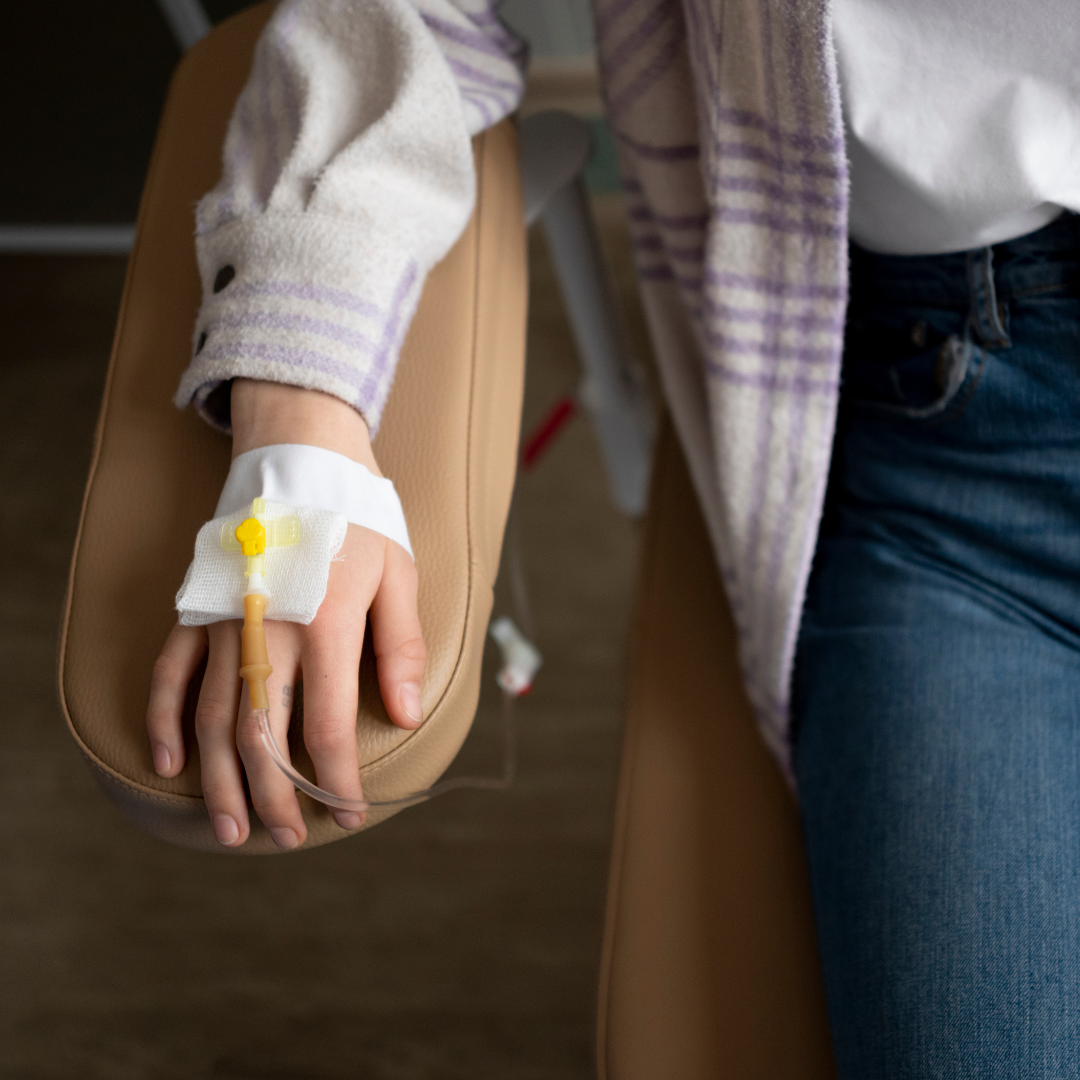
Most people assume that finishing a course of intravenous antibiotics means staying in hospital until the very last dose. That assumption costs patients weeks of their lives, exposes them to hospital-acquired risks, and places enormous pressure on already-stretched wards. The reality is different: outpatient parenteral antibiotic therapy (OPAT) has become a well-established, clinically validated pathway that allows patients to complete IV antibiotic treatment safely outside the hospital, whether at a dedicated infusion centre, at home, or in a community setting. Understanding how this pathway works, who qualifies, and what to expect at each stage is the difference between a prolonged admission and a faster, more comfortable recovery.
What Is OPAT and Why Does It Matter?
Outpatient parenteral antibiotic therapy (OPAT) is the administration of intravenous antimicrobial treatment to patients who do not require continuous hospital-based care. OPAT has been shown to be safe and effective for a wide range of infections in adults and children, and is a well-established part of patient care. The concept is straightforward: once a patient is medically stable and their infection is responding to treatment, there is often no clinical reason to remain on a hospital ward simply to receive an antibiotic infusion.
Outpatient parenteral antibiotic therapy is a safe and cost-effective means of avoiding or reducing length of hospital stay for patients who require IV antibiotics but are otherwise medically stable. This matters because prolonged hospital stays carry their own risks, including exposure to healthcare-associated infections, disrupted sleep, reduced mobility, and the psychological toll of being away from home and family.
OPAT is generally delivered in one of the following four settings: an infusion centre, a nursing home, at home with daily skilled nursing visits, or at home with self- or family-administered therapy. For most patients, a dedicated outpatient IV antibiotic infusion centre offers the best balance of clinical oversight and personal comfort, particularly for those who are not confident self-administering or who live alone.
OPAT is also recognised in the Infectious Diseases Society of America’s clinical practice guidelines as an established option for appropriately selected patients who are medically stable.
| OPAT Setting | Best Suited For | Clinical Oversight | Typical Vascular Access |
|---|---|---|---|
| Dedicated infusion centre | Patients preferring nurse-administered infusions; those who cannot self-administer | ✅ High, trained nurses on-site | PICC, midline, or peripheral IV |
| Home with daily nursing visits | Patients with mobility issues or complex regimens | ✅ Moderate, scheduled visits | PICC or midline |
| Self-administered at home | Confident patients with caregiver support | ⚠️ Lower, remote monitoring | Elastomeric pump via PICC |
| Skilled nursing facility | Patients needing higher-level support post-discharge | ✅ High, facility-based care | PICC or central line |
Which Infections Are Treated With Outpatient IV Antibiotics?
Not every infection is suitable for OPAT, but a broad range of serious conditions can be safely managed outside the hospital once the acute phase has stabilised. Understanding which diagnoses commonly qualify helps patients and referring clinicians identify the right candidates early.
Infections commonly treated through outpatient parenteral antibiotic therapy include:
- Bone and joint infections (osteomyelitis and septic arthritis) — these often require four to six weeks of IV therapy, making OPAT particularly valuable for reducing prolonged admissions.
- Skin and soft tissue infections (cellulitis, abscesses) — skin and soft tissue infections are common indications for OPAT treatment.
- Infective endocarditis (heart valve infection) — selected stable patients can complete part of their treatment course via OPAT after initial hospital stabilisation.
- Intra-abdominal and urinary tract infections — where oral agents are insufficient or not tolerated.
- Bloodstream infections and bacteraemia — under close infectious disease specialist monitoring.
- Drug-resistant infections — including those caused by MRSA, where specific IV agents have no effective oral equivalent.
IV antibiotics are used for serious infections that cannot be cured with pills (antibiotics taken by mouth). This is the core clinical rationale for OPAT: when oral bioavailability is insufficient, when the organism is resistant to oral agents, or when the infection site requires high drug concentrations that only IV delivery can achieve, completing the course in an outpatient setting is far preferable to an extended hospital stay.
It is equally important to understand when OPAT is not appropriate. Patients who are haemodynamically unstable, require frequent clinical reassessment, or whose infection has not yet responded to initial treatment should remain in hospital until these concerns are resolved. OPAT is a step-down pathway, not a shortcut.
How to Get Started: Patient Assessment and Referral
The OPAT pathway begins with a formal assessment, and understanding this process helps patients advocate for themselves and speeds up the transition from inpatient to outpatient care. The process involves clinical, social, and logistical checks that together determine whether completing IV antibiotics outpatient is safe and practical for a given individual.
Step 1, Clinical Eligibility Review (Day 1–2 of Consideration)
Clinically, patients should be medically stable, have a confirmed diagnosis requiring IV antimicrobial therapy, and exhibit a predictable treatment response. They should not require continued inpatient care and must not be at significant risk of rapid clinical deterioration. The infectious disease team or treating physician makes this determination, usually in conjunction with the OPAT coordinator or specialist nurse.
At this stage, the team will also assess whether an oral antibiotic switch is possible. Contemporary data indicate oral antimicrobial regimens are also effective and safer for most infections. Patients with normal gastrointestinal absorption can receive oral antibiotics rather than parenteral if the causative organisms are known or typically susceptible to oral agents. If oral therapy is genuinely equivalent, it will be preferred. OPAT is reserved for situations where IV delivery is clinically necessary.
Step 2, Social and Practical Assessment (Day 2–3)
Socially, patients should have a suitable home environment, access to a telephone, and the capacity to provide informed consent and comply with treatment schedules, either independently or with support. A multidisciplinary team (MDT) assessment is typically conducted to confirm that these criteria are met prior to initiating OPAT.
For patients who choose infusion centre-based OPAT rather than home therapy, the social criteria are less demanding, since they attend the centre for each dose rather than managing equipment at home. This makes the infusion centre model particularly accessible for elderly patients, those living alone, or anyone who finds the prospect of self-administration daunting.
Step 3, Vascular Access Placement (Before Discharge)
Reliable venous access is non-negotiable before OPAT begins. Due to the technological advancements of venous access devices, it is now considerably easier and safer to administer IV therapy in the outpatient setting over longer periods of time. Midlines, peripherally inserted central catheters (PICC), tunnelled central venous catheters, and implanted ports have all contributed to the safe and successful delivery of antimicrobial therapy for patients under OPAT.
Device selection depends on the duration of therapy, the specific antibiotic being used, and the patient’s vein condition. As a general guide, midline catheters suit shorter courses (typically up to two weeks), while PICC lines are preferred for longer treatment durations. Device selection criteria must reflect the individual needs of the patient: clinical status, diagnosis, age, vein condition, current vascular access, antimicrobials prescribed, frequency of administration, and the duration of therapy, as well as the clinical expertise available to site the device.
Step 4, Treatment Plan and Patient Education
The OPAT team should develop a treatment regimen in conjunction with the patient that is tailored to the patient’s clinical needs and has a defined treatment goal. The regimen should specify the antimicrobial agent, the dose, the frequency of administration, and duration of treatment, monitoring requirements, and any parameters that might indicate the need for escalation or de-escalation of treatment.
The service should ensure that patients receive appropriate education and training on the administration of the treatment, self-monitoring, and the management of adverse effects. For infusion centre patients, this education focuses on recognising warning signs at the catheter site, understanding the monitoring schedule, and knowing when to seek urgent review. Patients should leave their pre-discharge education session with a clear written plan, emergency contact numbers, and confidence in what to expect.
Step 5, Ongoing Monitoring During Treatment
OPAT is not a set-and-forget arrangement. Regular laboratory monitoring is essential to catch antibiotic-related toxicities early, confirm the infection is responding, and adjust the regimen if needed. Physicians work with home health agencies, infusion centres, and nursing facilities to coordinate care and help prevent complications that may occur while on IV antimicrobials. The infectious disease specialist will obtain regular laboratory reports and handle any side effects or adverse responses to IV therapy.
The service should provide patients with access to clinical advice and support outside of normal working hours, and patients should ask their care team what after-hours support is available. Access to after-hours clinical advice is a safety cornerstone of any well-run OPAT programme. Patients should never be left without a route to clinical advice if they develop a fever, notice redness at the catheter site, or experience a reaction to their antibiotic.
Monitoring typically includes full blood count, renal function, liver function, and drug-specific tests (for example, vancomycin levels or aminoglycoside monitoring) at defined intervals. The frequency of these checks depends on the antibiotic being used and the patient’s baseline health.
Frequently Asked Questions About Completing IV Antibiotics Outpatient
How long does an OPAT course typically last?
Duration varies considerably by infection type. Skin and soft tissue infections may require as little as five to seven days of IV therapy, while bone infections and endocarditis often require four to six weeks. The treating infectious disease team will specify the total duration as part of the treatment plan, and this is reviewed regularly based on clinical response.
Can I go to work or carry on normal activities during OPAT?
Many patients do maintain significant daily activity during OPAT, particularly those attending an infusion centre for once-daily dosing. The infusion itself may take anywhere from 30 minutes to several hours depending on the antibiotic. Activity restrictions are usually related to the underlying infection rather than the OPAT process itself. Your clinical team will advise based on your specific situation.
What happens if my PICC line causes a problem at home?
In one large study, over 8% of patients receiving OPAT experienced vascular thrombosis, occlusion, dislodgement, or central line-associated bloodstream infection. These complications are a primary driver of hospital readmissions among patients in whom OPAT is used. This is why patients receive thorough education on catheter care before discharge, and why a clear escalation pathway to clinical support must be in place at all times. Any redness, swelling, pain, or fever should prompt immediate contact with the OPAT team.
Will my insurance cover OPAT?
Coverage varies by insurer, plan, and treatment setting. Patients should confirm coverage, in-network status, and any prior authorisation requirements with their insurer and the infusion centre before starting treatment.
Is OPAT as effective as completing treatment in hospital?
OPAT is known to reduce hospital length of stay, readmissions, and hospital morbidity, while increasing patient satisfaction and reducing costs. Clinical outcomes for appropriately selected patients are comparable to inpatient treatment, and the reduction in hospital-associated risks (such as Clostridioides difficile infection and nosocomial pathogens) often makes OPAT the safer option for stable patients.
Key Takeaways for Patients and Referring Clinicians
- OPAT is a mainstream pathway, not a compromise. Outpatient parenteral antimicrobial therapy has been shown to be safe and effective for a wide range of infections in adults and children.
- The infusion centre model suits patients who prefer nurse-administered doses without the complexity of home infusion equipment. The infusion centre model delivers OPAT in physicians’ offices or free-standing infusion centres. This model works well for patients who are physically incapable or unwilling to infuse themselves.
- Vascular access planning is critical. Proper catheter selection and placement, completed before discharge, helps reduce the risk of OPAT complications.
- Regular monitoring is non-negotiable. Blood tests, clinical check-ins, and a clear escalation route are what make outpatient IV antibiotics as safe as hospital-based treatment.
- Ask your team about OPAT early. The sooner eligibility is assessed, the sooner a discharge plan can be put in place, reducing unnecessary hospital days.
- Oral antibiotic switch should always be considered first. OPAT is the right choice when IV delivery is genuinely necessary, not simply the default for any serious infection.
For patients who qualify, completing IV antibiotics at a dedicated outpatient IV antibiotic infusion centre represents a clinically sound, patient-centred alternative to prolonged hospitalisation. Working with a specialist infusion service that maintains close communication with the prescribing infectious disease team ensures continuity, safety, and the best possible chance of a full recovery on your own terms. The Infectious Diseases Society of America OPAT clinical practice guidelines offer a detailed framework for patient selection, vascular access, and monitoring protocols.